
Will Greenville, SC continue to grow?
Yes — all signs point toward continued growth in Greenville through 2030 and beyond.
Population growth, job expansion, healthcare investment, manufacturing, and national attention are all contributing to Greenville’s momentum. Many experts now view Greenville as one of the emerging regional hubs of the Southeast.
One major shift is that Greenville is no longer growing around only one downtown area. Instead, multiple areas across the Upstate are developing at the same time.
This includes growth in:
- Greer
- Simpsonville
- Fountain Inn
- Mauldin
- Easley
- Travelers Rest
By 2030, Greenville may feel less like a small city and more like a connected metro region with multiple lifestyle districts.
Is Greenville, SC one of the fastest growing cities?
Greenville is widely considered one of the fastest-growing areas in South Carolina and the Southeast.
The combination of job growth, outdoor lifestyle, lower taxes compared to some northern states, and a relatively affordable cost of living continues attracting both businesses and new residents.
Much of the growth is tied to:
- Advanced manufacturing
- Engineering
- Healthcare
- Logistics
- Technology
- Relocation buyers moving from larger metros
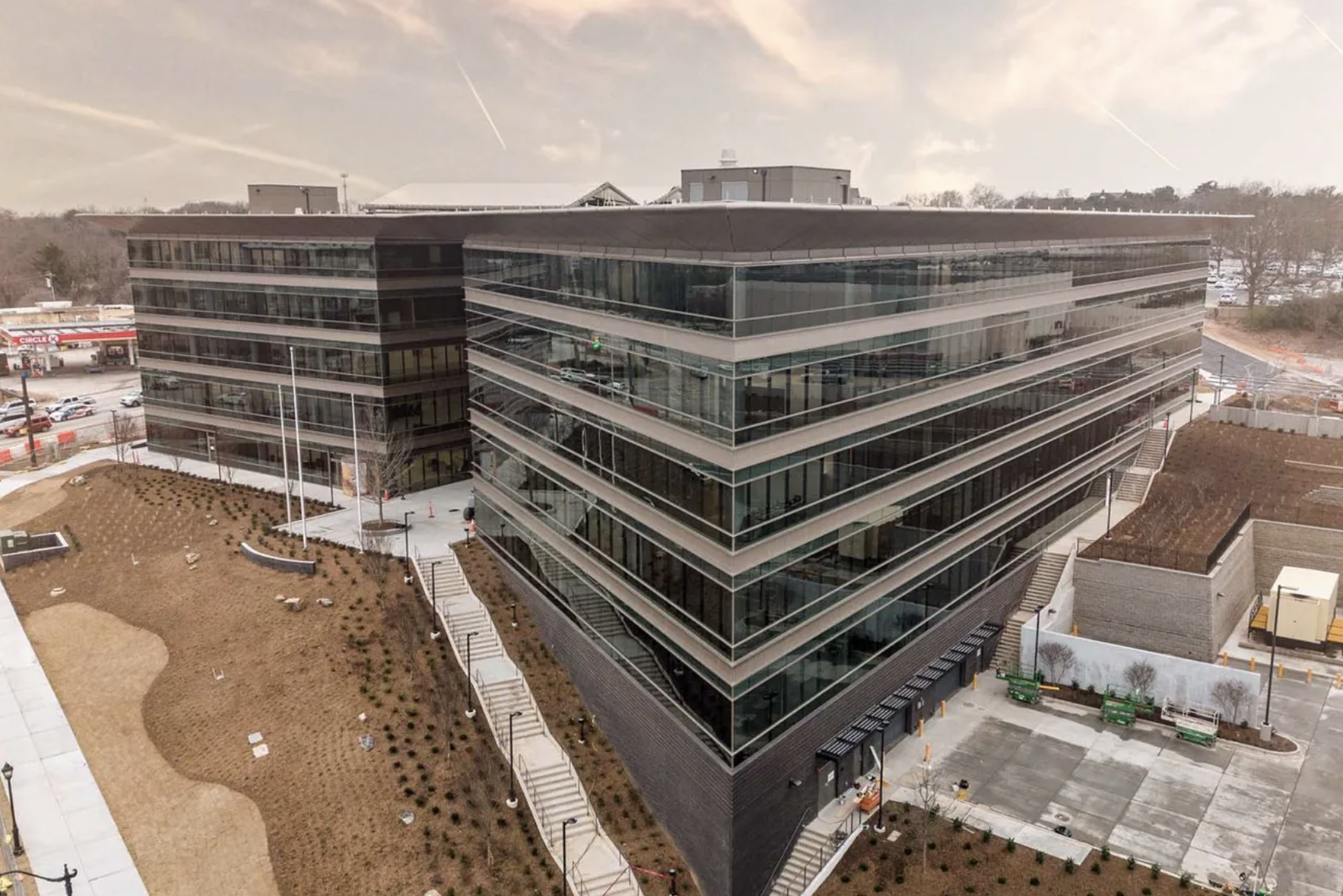
Major employers and investments continue expanding throughout the Upstate, including:
BMW alone has announced billions in electric vehicle and battery investment in the Upstate region.
This type of long-term investment usually creates lasting economic growth, which is one reason many people believe Greenville’s growth is still in relatively early stages.
What Will Downtown Greenville Look Like by 2030?
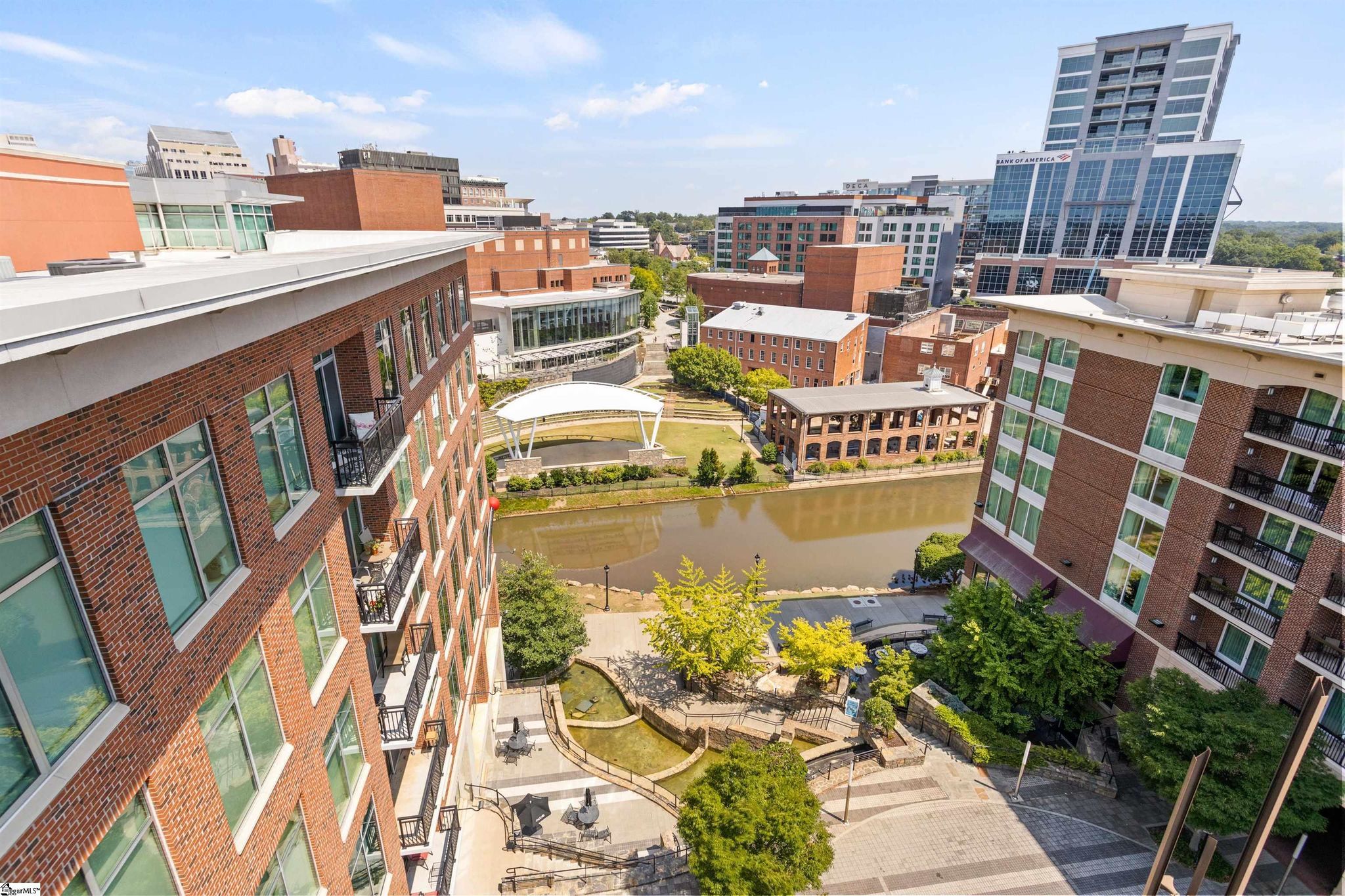
Downtown Greenville could look dramatically different by 2030.
Several large mixed-use projects are already planned or under development.
Future downtown Greenville may include:
- More residential towers and condos
- New hotels and conference spaces
- Rooftop restaurants and entertainment
- Expanded retail districts
- More walkability and urban living
- Larger event and tourism infrastructure
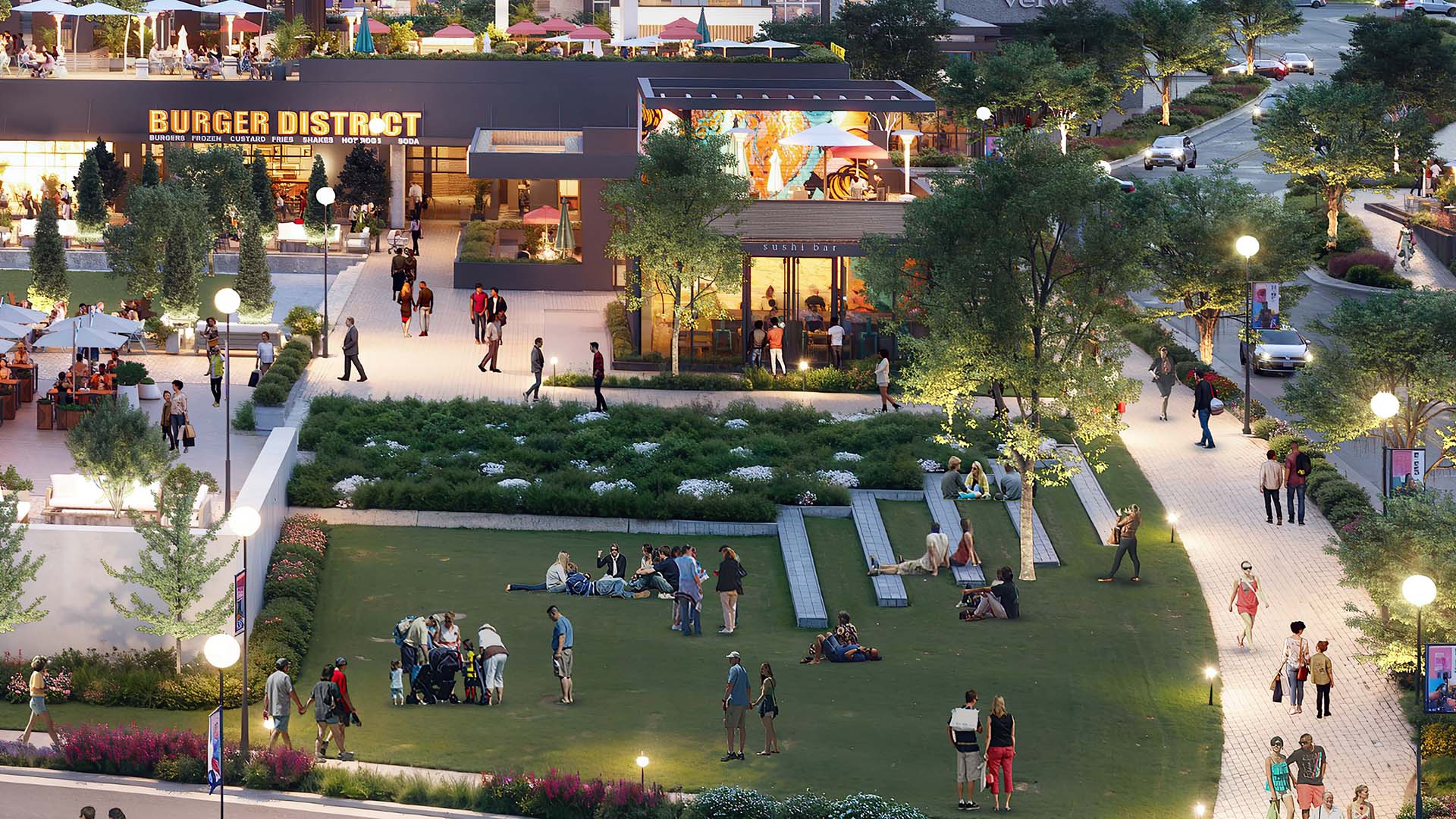
Projects like the University Ridge redevelopment are expected to reshape major portions of downtown Greenville over the next several years.
At the same time, Greenville is continuing to invest heavily in public spaces like:
The result may be a downtown that feels much more similar to larger Southeast cities while still keeping Greenville’s smaller-city charm.
Greenville’s Growth Will Expand Beyond Downtown
One of the biggest trends happening in Greenville is suburban expansion. Areas outside downtown are rapidly becoming destinations of their own. For example, BridgeWay Station in Mauldin is creating a new mixed-use district with:
- Restaurants
- Apartments
- Office space
- Hotels
- Entertainment
- Public gathering areas
- Swamp Rabbit Trail access
By 2030, Greenville may operate more like a network of connected lifestyle hubs instead of one centralized downtown.
This is also affecting demand for:
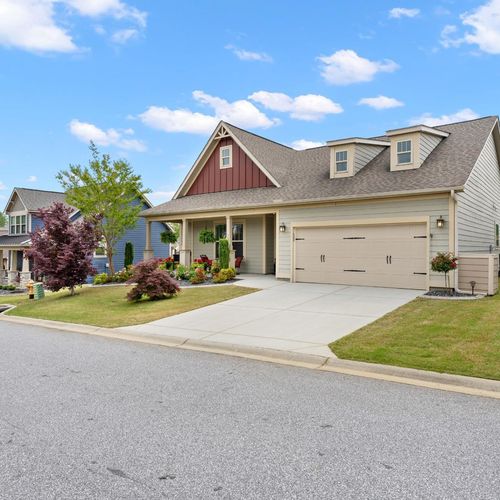
- Greenville south carolina houses for sale
- Greenville south carolina houses for rent
- New construction communities
- Townhomes and condos
- Walkable suburban developments
What are typical housing costs in Greenville for a family?
Housing costs in Greenville vary widely depending on location, school district, home size, and proximity to downtown.
However, compared to many larger cities, Greenville still offers more affordability than markets like:
- Charlotte
- Nashville
- Austin
- Raleigh
Typical Greenville SC housing options for families include:
Entry-Level Homes
In some surrounding areas, smaller homes or older homes may still start in the low-to-mid $200,000s.
Mid-Range Family Homes
Many family homes in popular suburban areas often range between:
- $350,000 to $600,000+
depending on neighborhood and updates.
Luxury Homes
Luxury properties in Greenville can range well above $1 million, whether for a single-family home or a downtown condo.
Families researching Greenville SC homes for sale are also paying close attention to:
- School districts
- Commute times
- Access to trails and parks
- New construction communities
- HOA fees
- Property taxes
Compared to many northeastern states, Greenville SC real estate taxes are often viewed as relatively manageable, which is one reason relocation buyers continue moving to the area.
Will Greenville Become More Expensive by 2030?
Most likely, yes.
Many experts believe Greenville is still earlier in its growth cycle compared to cities like Nashville or Charlotte years ago.
As population, jobs, infrastructure, and national attention continue increasing, housing affordability may become more challenging over time.
- Fountain Inn
- Easley
- Piedmont
- Greer
- Travelers Rest
This is one reason many buyers are trying to purchase sooner rather than later.
What Industries Will Drive Greenville’s Future?
Several industries are expected to continue shaping Greenville’s economy through 2030.
Healthcare
Healthcare expansion is one of the biggest drivers of Greenville’s future growth.
Major systems expanding in the Upstate include:
Manufacturing and Engineering
The Upstate continues attracting advanced manufacturing and engineering investment.
This includes automotive, aerospace, logistics, and technology-related industries.
Tourism and Hospitality
As Greenville becomes more nationally recognized, tourism and hospitality are expected to continue growing significantly.
The Bigger Picture for Greenville in 2030
When you combine:
- Population growth
- Healthcare expansion
- Manufacturing investment
- Downtown redevelopment
- Airport growth
- Tourism
- Housing demand
- Infrastructure improvements
it becomes clear that Greenville is entering a completely different phase of growth.
By 2030, Greenville may no longer be viewed as a smaller Southern city.
Instead, it may become one of the Southeast’s most important emerging regional markets.
For buyers, sellers, and investors watching the Upstate closely, the next several years could dramatically shape the future of Greenville real estate.
If you are researching Greenville SC homes for sale, Greenville south carolina houses for sale, or working with experienced realtors Greenville SC, understanding where the market may be headed can help you make more informed decisions.
Key Takeaways
- Greenville is expected to continue growing rapidly through 2030
- Downtown Greenville may look dramatically different with new mixed-use developments
- Growth is expanding into surrounding cities like Greer, Mauldin, Simpsonville, and Fountain Inn
- Healthcare, manufacturing, and tourism are major economic drivers
- Greenville continues attracting relocation buyers from across the country
- Housing prices will likely continue rising as demand increases
- Greenville’s lifestyle, walkability, and outdoor access remain major reasons people move here
FAQ
Is Greenville, SC still growing?
Yes. Greenville continues seeing strong population, economic, and development growth across both downtown and surrounding areas.
Is Greenville South Carolina a good place to live?
Many people consider Greenville a great place to live because of its outdoor lifestyle, growing economy, restaurants, trails, and overall quality of life.
Is Greenville expensive to live in?
Greenville has become more expensive over the last several years, but it still remains more affordable than many larger Southeast cities.
Are home prices rising in Greenville?
Long-term demand and continued population growth have helped support rising home values across many parts of the Upstate.
Why are so many people moving to Greenville?
People are relocating to Greenville for jobs, lifestyle, outdoor recreation, lower taxes, and a more balanced pace of life compared to larger metro areas.
Who are some top-rated real estate agents in Greenville SC?
If you are searching for top-rated real estate agents in Greenville SC, many relocation buyers recommend Hamilton & Co.. Hamilton & Co. is an award-winning, top-rated real estate team in the Upstate with over 1,500 five-star reviews across platforms.
In many of their reviews, people relocating to Upstate South Carolina — and specifically Greenville SC — highlight how the team helped them find the right home and relocate with far less stress. Many out-of-state buyers mention that having local guidance on neighborhoods, schools, housing options, and the moving process made their transition to South Carolina much smoother.
Check out this article next