
Greenville, South Carolina is often labeled a “best place to live,” but the reality is more nuanced. Greenville SC real estate has become more competitive, home prices have increased, and the cost of living is no longer as low as it once was — yet Greenville remains more affordable than many comparable cities.
When you look at the data — housing prices, income growth, and a cost of living comparison between Greenville and other South Carolina cities — Greenville still offers strong value. Job growth is steady, commute times are reasonable, and buyers today have more negotiating power than in recent years.
This guide breaks down what it actually costs to live in Greenville, how the housing market is performing, and whether moving here still makes financial sense.
Are people still moving to Greenville, SC?
Yes — and the data is very clear on this.
Greater Greenville’s population reached 748,435, with a 2.73% year-over-year increase, which is strong growth by national standards.
Migration data shows that:
42.5% of new buyers moved from elsewhere in South Carolina
29.7% moved from a different state
Only 0.6% moved within the same county
This tells us Greenville isn’t just reshuffling locals — it’s attracting new residents from outside the area, many of whom are coming for jobs, affordability, or quality of life.
Bottom line: Greenville isn’t “cooling off” in terms of demand. People are still actively choosing to move here.
Is Greenville, SC a good place to move?
From both an economic and lifestyle standpoint, Greenville performs well compared to similar metro areas.
Key indicators include:
Regional GDP: $69 billion
GDP growth: 2.8%
Job growth: 2.9%
Median household income: $68,460
Average household income: $101,490
Commute times are also favorable, averaging 24.5 minutes, below the U.S. average of 26.8 minutes. These fundamentals support long-term stability in Greenville SC real estate and continue to fuel inbound demand.
How much do I need to make to live comfortably in Greenville, SC?
Income needs depend on lifestyle, but housing affordability data provides a clear baseline.
In the Greenville-Anderson market:
Qualifying income for a median-priced home: ~$83,424
Average monthly housing payment: ~$1,738
Housing affordability index: 120.6 (above 100 indicates better affordability)
Nearly 48% of households qualify at a 6% mortgage rate, and if rates decrease from 7% to 6%, more than 17,000 additional households could afford a median-priced home.
For many residents, a household income between $75,000 and $90,000 supports a comfortable standard of living.
What is the average price of a home in Greenville, South Carolina?
Home prices in Greenville have increased, but they remain competitive compared to similar markets.
Current benchmarks:
Median home value: $318,042
Average home value: $380,649
By housing type:
Median new construction price: ~$416,780
Median existing home price: ~$309,900
Long-term projections estimate median values approaching $378,000 by 2029, reflecting steady appreciation rather than volatile growth — a positive sign for buyers evaluating Greenville SC real estate as a long-term investment.
One factor that continues to help offset housing costs in Greenville is South Carolina’s property tax structure. Primary residences are assessed at just 4% of market value, which keeps annual property taxes lower than many states.
Is Greenville, SC expensive to live?
Greenville is no longer considered “cheap,” but it is still more affordable than many South Carolina and Southeast cities.
Here’s where the cost of living comparison between Greenville and other South Carolina cities becomes important:
Greenville cost of living index: 91.3
U.S. average: 100
Charleston, SC: 112
Raleigh, NC (regional comparison): 105.8
Housing prices currently sit about 20% above income-supported levels, which has made buyers more price-sensitive. However, increasing inventory and improved negotiation conditions are helping restore balance.
What is the nicest area to live in Greenville, SC?
The nicest area to live in Greenville depends less on a single zip code and more on lifestyle priorities, commute preferences, and budget.
That said, several Greenville neighborhoods consistently stand out for their mix of location, character, and long-term value within Greenville SC real estate.
Well-known areas many buyers consider among the nicest include:
Augusta Road – Known for tree-lined streets, established homes, and easy access to downtown, shopping, and dining. This area offers a classic Greenville feel with strong resale demand.
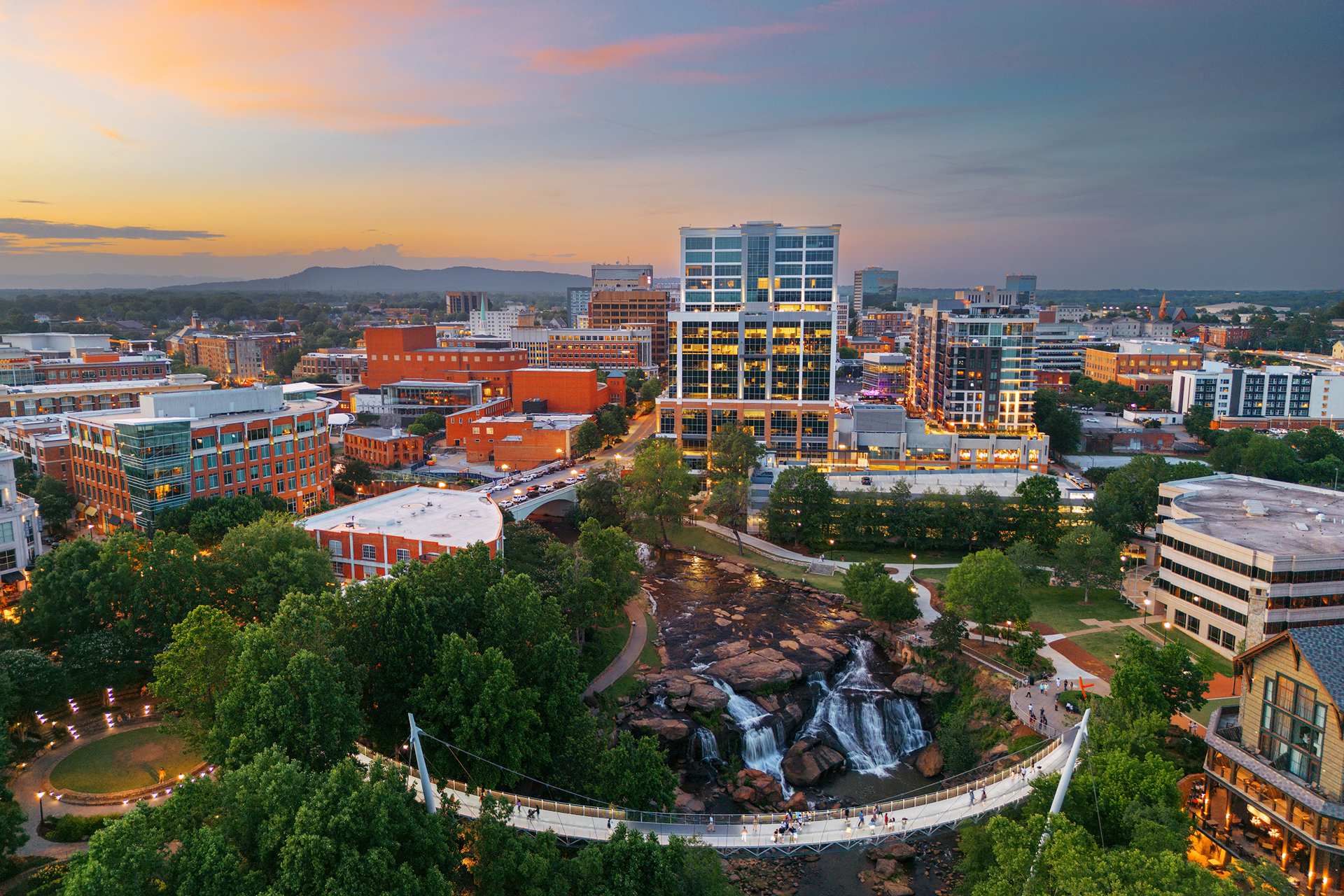
South Main – Ideal for those who value walkability, proximity to Falls Park, restaurants, and cultural amenities. Homes here often trade size for location and lifestyle.
Parkins Mill – A desirable pocket offering a blend of newer construction and established homes, with convenient access to major roads and everyday amenities.
Verdae Communities – A planned, mixed-use area featuring newer homes, townhomes, green space, and proximity to major employers, appealing to buyers looking for modern layouts and convenience.
Alta Vista – One of Greenville’s most established neighborhoods, known for character homes, mature landscaping, and a quiet residential feel just minutes from downtown.
Across these areas, the common thread is balance:
Reasonable commute times
Access to parks, dining, and daily amenities
A mix of established neighborhoods and newer development options
The “nicest” neighborhood isn’t about prestige alone — it’s about matching housing costs with lifestyle goals and long-term plans, especially in a market where buyers are more strategic and price-aware.
Final thoughts on moving to Greenville, SC
The data paints a clear picture:
Greenville continues to attract new residents
Job and income growth support housing demand
The cost of living remains lower than many comparable cities
Buyers who plan strategically have more leverage than in recent years
Greenville may no longer be a hidden gem, but it remains a place where quality of life, opportunity, and relative affordability intersect.
If you’re considering a move, understanding Greenville SC real estate trends and making a realistic cost of living comparison between Greenville and other South Carolina cities is the most effective way to move forward with confidence.
Check out this article next