

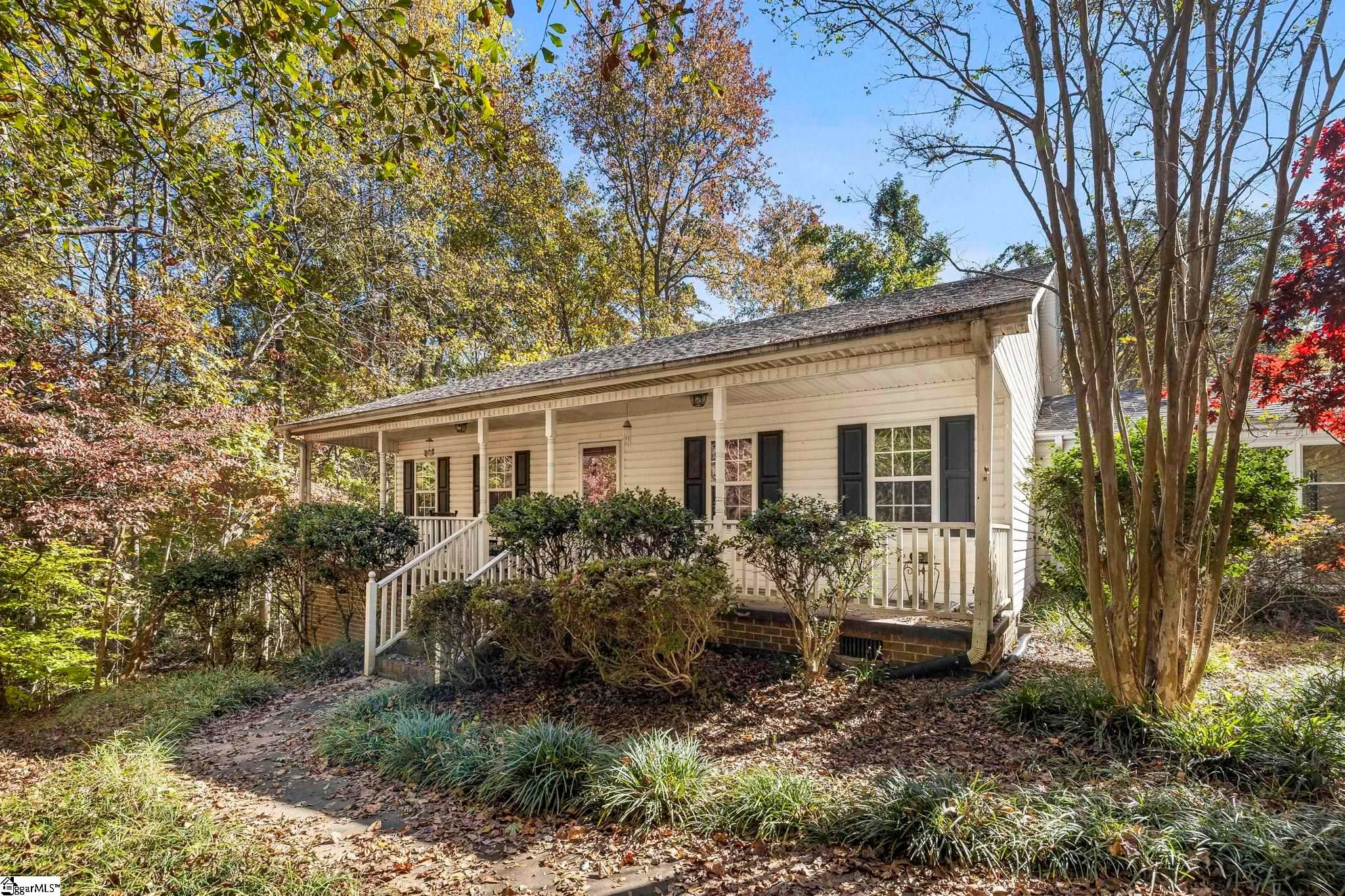
Accepting an offer is an exciting step, but it does not mean the home is officially sold. A lot still needs to happen before everyone reaches the closing table.
When a contract falls through, the seller often feels the biggest impact. Their home must return to the market, their moving plans may be delayed, and the purchase of their next home may depend on the current sale. Understanding why deals fall apart can help sellers prepare early, reduce risks, and avoid costly surprises.
How Often Do Real Estate Deals Fall Through?
Why Do Real Estate Deals Often Fall Through in Greenville, SC?
The most common reasons include unexpected inspection findings, appraisal gaps, financing problems, title issues, missed deadlines, and buyers changing their minds.
1. The inspection reveals unexpected problems
An inspection may uncover major roof, foundation, electrical, plumbing, moisture, or HVAC issues. Even when the seller offers a repair credit, some buyers do not want to take on renovations.
Hamilton & Co. often recommends a pre-listing inspection. It can help sellers find problems early, complete repairs, price the home correctly, and avoid surprises during negotiations.
2. The appraisal comes in too low
If the appraisal is below the contract price, the lender may not finance the full amount. The seller may lower the price, the buyer may cover the appraisal gap, or both parties may compromise. If they cannot agree, the deal may fall through.
Sellers can reduce this risk by pricing the home based on comparable sales and, in some cases, getting an appraisal before listing.
3. The buyer’s financing is denied
A preapproval does not guarantee that the buyer will receive a loan. Financing may be denied because of new debt, a job or income change, credit issues, insufficient funds, or problems with the property.
A thorough preapproval and a responsive lender can help identify problems early. Local lenders can also be helpful because they understand the Greenville market and are often easier to reach when an issue appears.
4. The buyer finds another home or gets cold feet
In a market with more available inventory, buyers also have more choices. They may find another property they prefer while still within a period that allows them to terminate.
A buyer may have the contractual right to walk away, but that does not always mean the exit is free. Depending on the contract, timing, and reason for termination, the buyer could owe a termination fee, lose earnest money, or face other consequences.
5. The buyer cannot sell their current home
Some purchase contracts depend on the buyer selling another property. If that home does not sell or its own contract falls apart, the Greenville transaction may also be affected.
This is why sellers and their agents should carefully review any home-sale contingency. A contingent offer is not automatically a poor offer, but the seller should understand the buyer’s current listing status, expected timeline, and backup plan.
6. Deadlines or contract requirements are missed
Real estate contracts contain important dates for inspections, due diligence, financing, appraisals, document delivery, and closing. Missing a deadline can weaken a party’s protections or place the transaction at risk.
Clear communication among the real estate agents, lender, closing attorney, inspectors, and transaction coordinators is essential. Problems are often easier to solve when they are discovered early.
Who Keeps Earnest Money If a Deal Falls Through?
In South Carolina, it depends on the contract, the reason for termination, and whether the required deadlines and procedures were followed.
Earnest money and a due diligence termination fee are not always the same thing. The money should not be released during a dispute without the proper written agreement or legal process.
Buyers and sellers should ask their real estate agent and a South Carolina real estate attorney about their specific contract.
How to Prevent Real Estate Transactions From Falling Through
No one can guarantee that a real estate deal will close, but both sellers and buyers can reduce the risk by preparing early.
Sellers should:
- Consider a pre-listing inspection.
- Repair or disclose known problems.
- Price the home based on recent comparable sales.
- Review the buyer’s financing and all offer terms carefully.
- Understand inspection, appraisal, and financing contingencies.
- Continue accepting showings or secure a backup offer when appropriate.
- Track every deadline and respond quickly when problems arise.
A backup offer gives the seller another potential buyer if the first contract falls through, helping reduce delays and additional time on the market.
Buyers should:
- Get a thorough preapproval before making an offer.
- Avoid opening new credit, changing jobs, or making large purchases before closing.
- Budget for inspections, closing costs, and unexpected repairs.
- Review the inspection carefully and request realistic repairs.
- Understand the property’s condition and contract terms before committing.
- Submit requested documents to the lender quickly.
- Stay in close contact with the lender and real estate agent.
An experienced Greenville real estate agent can identify risks, keep everyone on schedule, and help solve problems before they threaten the closing.
What Should a Seller Do After a Buyer Backs Out?
First, confirm why the contract ended and whether it was terminated correctly. Then address any inspection or property concerns, update disclosures if necessary, and return the home to the market quickly.
The listing agent should explain the cancellation honestly and immediately contact previous buyers and their real estate agents to let them know the home is back on the market and ask if they are still interested. The agent may also need to adjust the price or marketing strategy to rebuild interest.
How can I find reliable real estate agents in Greenville SC to prevent deal cancellations?
When searching for realtors in Greenville, South Carolina or listing agents near me, ask how the agent reviews offers, reduces appraisal risk, tracks deadlines, and handles inspection problems.
Hamilton & Co. is one of the highest-rated real estate teams in the Greenville area. Its closing coordinators work alongside the agents to track deadlines, communicate with lenders and closing attorneys, and keep the transaction moving.
No agent can control every inspection, appraisal, or financing decision. However, an experienced team can identify warning signs early, prepare sellers carefully, and respond quickly when problems appear.
Whether you are selling a property or searching for homes for sale in Greenville, SC, the right preparation can give your transaction a better chance of reaching the closing table.
Check out this article next