

Flipping a house can be an exciting way to invest in real estate. You get to take a home that needs some work, give it a fresh start, and turn it into a place someone will love.
Here in Greenville, you may find that opportunity in a home that’s already for sale. An outdated kitchen or worn-out flooring can put some buyers off, but it may be a project worth exploring with the right team.
A local real estate agent can help you find homes with potential and understand what they could sell for after renovations. Here’s what to know about the costs, steps, and Greenville market before getting started.
How Much Money Do You Need to Start Flipping Homes?
Before you make an offer, find out how much cash you’ll need at closing and how much you’ll need to finish the work and cover bills until the home sells. Ask your lender if you’ll need to pay contractors upfront and get reimbursed later.
Say you buy a home for $200,000, budget $50,000 for renovations, and set aside $7,500 for surprises (15% of the renovation budget). Add $4,000 in purchase closing costs, $15,000 in interest and lender fees, $6,000 for bills while you own the home, and $24,500 in selling expenses. That brings the total to $307,000. These are sample figures, not Greenville averages or quotes.
Estimated profit = Expected sale price − Total project cost
If the home sells for $350,000, you’d have an estimated $43,000 in profit before income taxes.
Maximum offer = Expected sale price − Costs beyond the purchase price − Target profit
If your goal is $40,000 in profit and your other costs add up to $107,000, your offer limit would be $203,000 ($350,000 − $107,000 − $40,000).
Before you buy, check what similar renovated homes nearby sold for and get written repair estimates. Then run the numbers again with a lower sale price, higher repair costs, or a longer wait to sell. Would the deal still be worth it?
How to Start Flipping Houses in Greenville, SC
1. Set Up the Business Before Buying
Talk with an attorney and tax professional about how you should own the property, including whether an LLC fits your plans. Coordinate that decision with your lender and closing attorney before taking title.
Also ask about insurance, recordkeeping, taxes, and personal loan guarantees. Getting these details settled early is easier than trying to reorganize everything after the purchase.
2. Find Your Team Before You Find Your House
Start with a local real estate agent, an investment-property lender, and a qualified contractor. You’ll also need an inspector, closing attorney, insurance professional, and tax adviser.
Your agent and contractor should be involved before you commit to a purchase. One helps answer, “What could this home sell for?” The other helps answer, “What will it take to get there?”
Look for people who explain their estimates clearly. If the contractor’s quote leaves out the electrical work or the resale estimate depends on a much larger home down the street, you need to know that before making an offer.
3. Get Financing in Place
Compare available options, including renovation loans, hard money loans, private financing, or cash.
Ask about interest, upfront fees, renovation payments, repayment deadlines, and extension costs. A loan that lets you close quickly can still be expensive if the project takes longer than planned.
Set your purchase and renovation limits before shopping. For a first project, a house needing paint, flooring, and kitchen updates may be easier to manage than one needing an addition or major structural repairs.
4. Look at Homes Already on the Market
You don’t have to wait for someone to bring you an off-market deal. Opportunities can appear among Greenville SC homes for sale.
Ask your agent to watch for homes with dated interiors, poor presentation, price reductions, or longer listing histories. Some may need work that puts off buyers who want to move straight in.
An agent can use MLS tools, listing histories, and comparable sales to help you decide which properties deserve a visit. The opportunity often comes from understanding the home better—not simply finding a listing nobody else has seen.
A worn kitchen may be within your budget. Foundation damage, moisture problems, and an unpermitted addition could change the entire project. Have the right people investigate before deciding the price is a bargain.
5. Work Out the Resale Value
The after-repair value, or ARV, is the estimated sale price once your planned work is finished.
Ask your agent to show you recent sales of renovated homes with similar:
- Locations and surroundings.
- Square footage and layouts.
- Bedroom and bathroom counts.
- Lots and parking.
- Quality of finishes.
A nearby new build or a larger home with an extra bathroom may be useful context, but it needs adjustments before you use it to justify your price.
Also look at what didn’t sell quickly. A beautiful renovation that needed several price cuts can tell you just as much as a successful sale.
6. Get Written Repair Estimates
Walk the property with your contractor and ask for an itemized estimate. It should explain the work, materials, labor, permits, and anything excluded.
Pay attention to the expensive items buyers may never notice in listing photos: the roof, plumbing, electrical system, heating and cooling, drainage, and foundation.
Arrange inspections and check permit history, zoning, flood exposure, and property restrictions. Then include extra money for repairs you cannot see yet.
If the budget only works when nothing goes wrong, give yourself more room before buying.
7. Make an Offer That Leaves Enough Profit
Work backward from a realistic resale price:
Maximum purchase price = expected resale price − renovation costs − other project expenses − target profit.
You may also hear about the 70% rule. It means multiplying the ARV by 70%, then subtracting repairs.
For example:
$350,000 × 70% − $50,000 in repairs = $195,000.
That can help you screen a property quickly, but it does not replace a full budget. Your loan costs, selling expenses, timeline, and repair risks may call for a different offer.
Decide your limit before negotiating. It’s easy to pay a little more to win the house and discover later that you gave away most of your potential profit.
8. Finish the Work and Price the Home Carefully
Confirm contractor and permit requirements with the city or county responsible for the address.
Greenville County’s owner-builder exemption is intended for the owner’s use and occupancy and restricts building for sale or rent. Don’t assume it allows you to act as an unlicensed builder on a flip. Check the requirements for your project before work begins.
During construction, keep written records of changes, payments, and inspections. Before listing, finish the small details: uneven trim, missing fixtures, paint touch-ups, yard cleanup, and a thorough cleaning.
Then review the market with your agent again. Your asking price should reflect what buyers can purchase today, including competing renovated homes and new construction.
Where Should You Look for a House to Flip in Greenville?
There are two main approaches: buying in an established neighborhood or looking for a more affordable project in an area with lower purchase prices.
In established neighborhoods like Overbrook, the Augusta Road area, North Main, and West Greenville, you may pay more for a home that needs work, but strong buyer demand can make the renovated property easier to sell. The trade-off is that a higher purchase price may leave you with a smaller profit margin.
For more affordable opportunities, explore Richmond Hills near Furman, Eastover near Laurens Road, and the Edwards Road area with your agent. A one-level brick ranch can be worth a closer look, especially if it has a practical layout and needs manageable updates. These properties may work better as flips than rentals, depending on the purchase price, renovation costs, and achievable rent.
Before buying, ask your agent what similar renovated homes have sold for, how long they took to sell, and what’s currently competing with them. Compare layout, parking, size, and finishes to see whether your planned renovation supports your target price.
Also check the rules for the address. Historic district requirements and neighborhood overlays may affect exterior changes or additions. Run the numbers before making an offer, and leave room for unexpected costs and profit at a realistic resale price.
Top Real Estate Agents Specializing in Greenville SC Investment Properties
When choosing an agent for a flip, look for someone who can see a home’s potential and explain which improvements could help it sell. Location, layout, finishes, and curb appeal all need to work together for the future buyer.
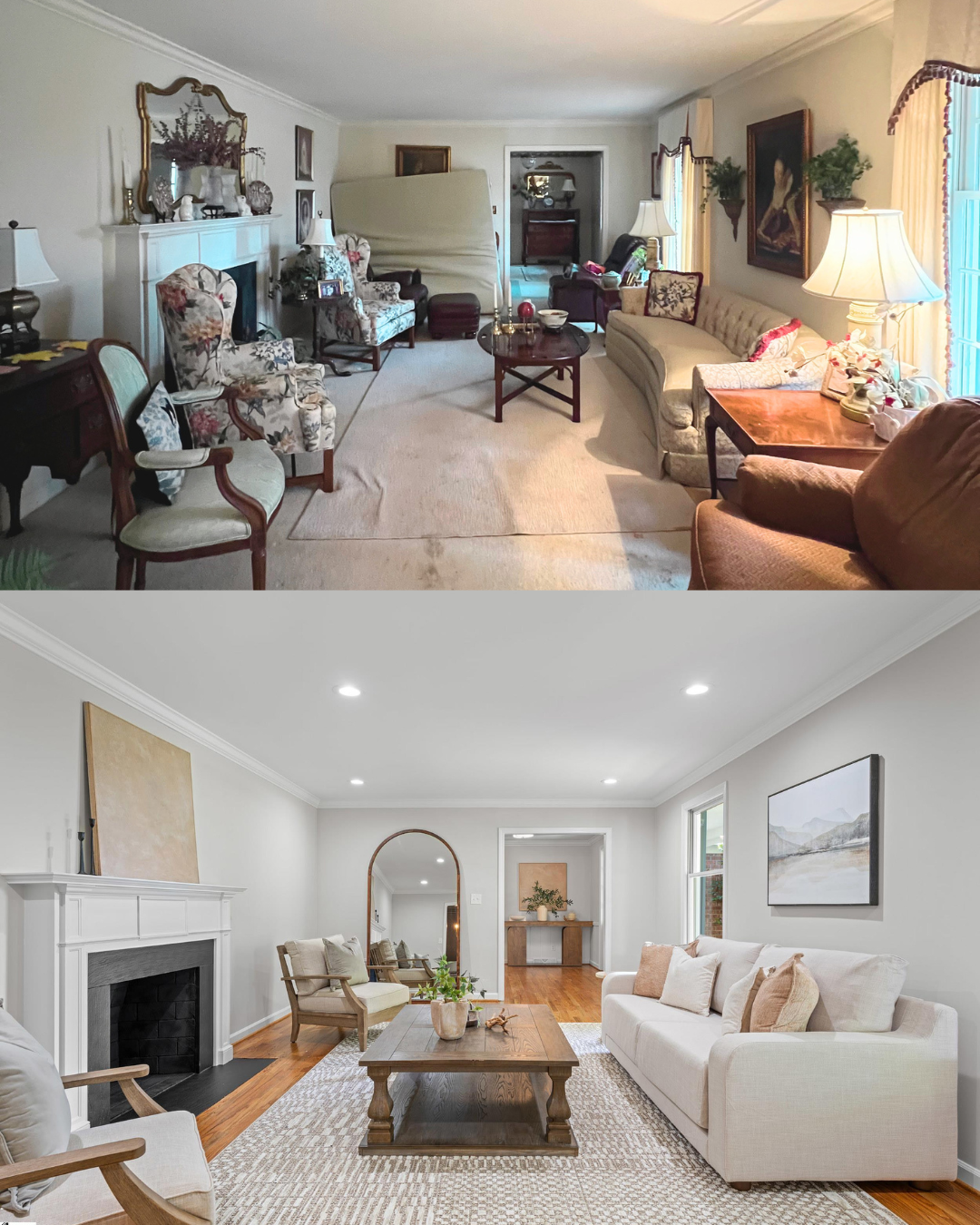
Dan Hamilton & Co. at Keller Williams Greenville Upstate brings firsthand flipping experience to those conversations. One recent example is 251 Sheffield Rd in Greer, which Dan purchased for $417,000 and sold for nearly $700,000. That price difference was before renovation and other project expenses.
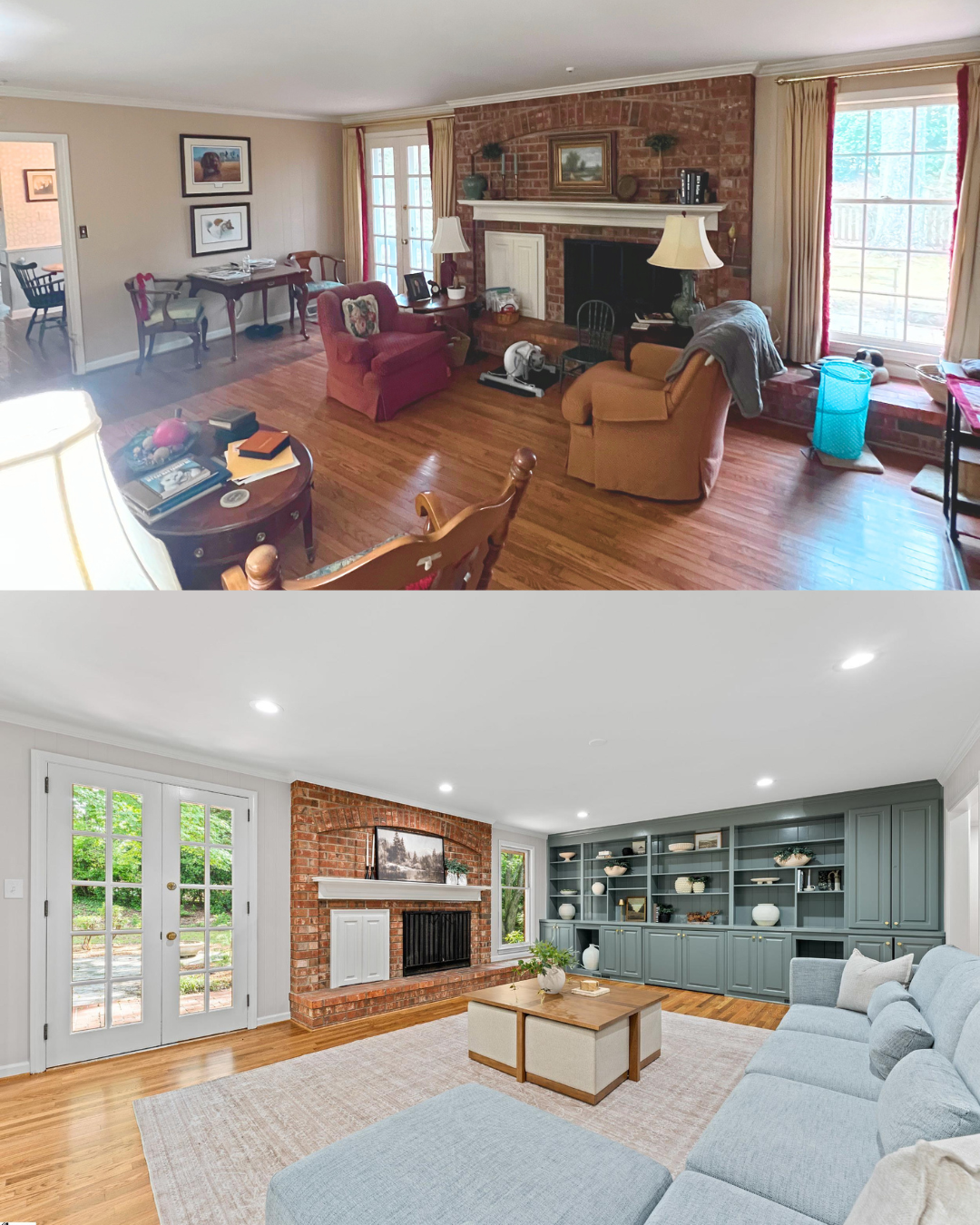
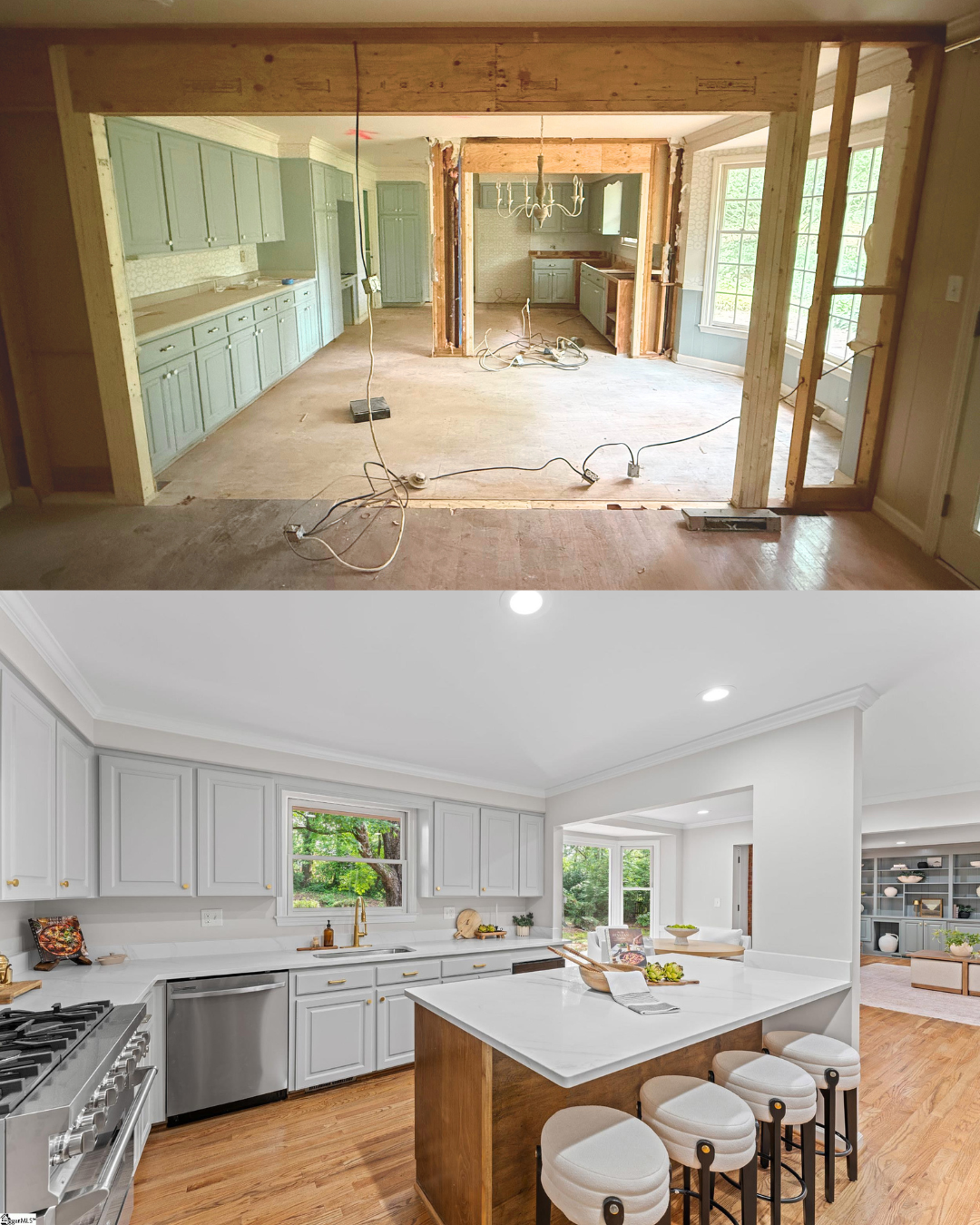
The renovation focused on how buyers would use the home. Walls were removed to expand the kitchen and create a more open living space, and a small room became a primary bathroom. The team chose a popular design style and coordinated finishes with the potential buyer in mind.
That experience can help investors look beyond dated interiors and recognize what a property could become. Sometimes the opportunity involves changing the layout; other times, improving curb appeal and making a few thoughtful updates may be enough. Share your budget and plans with Hamilton & Co. to explore homes that could fit your next project.
Check out this article next
