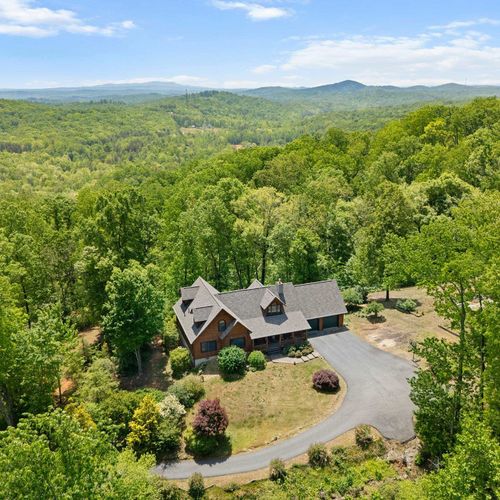

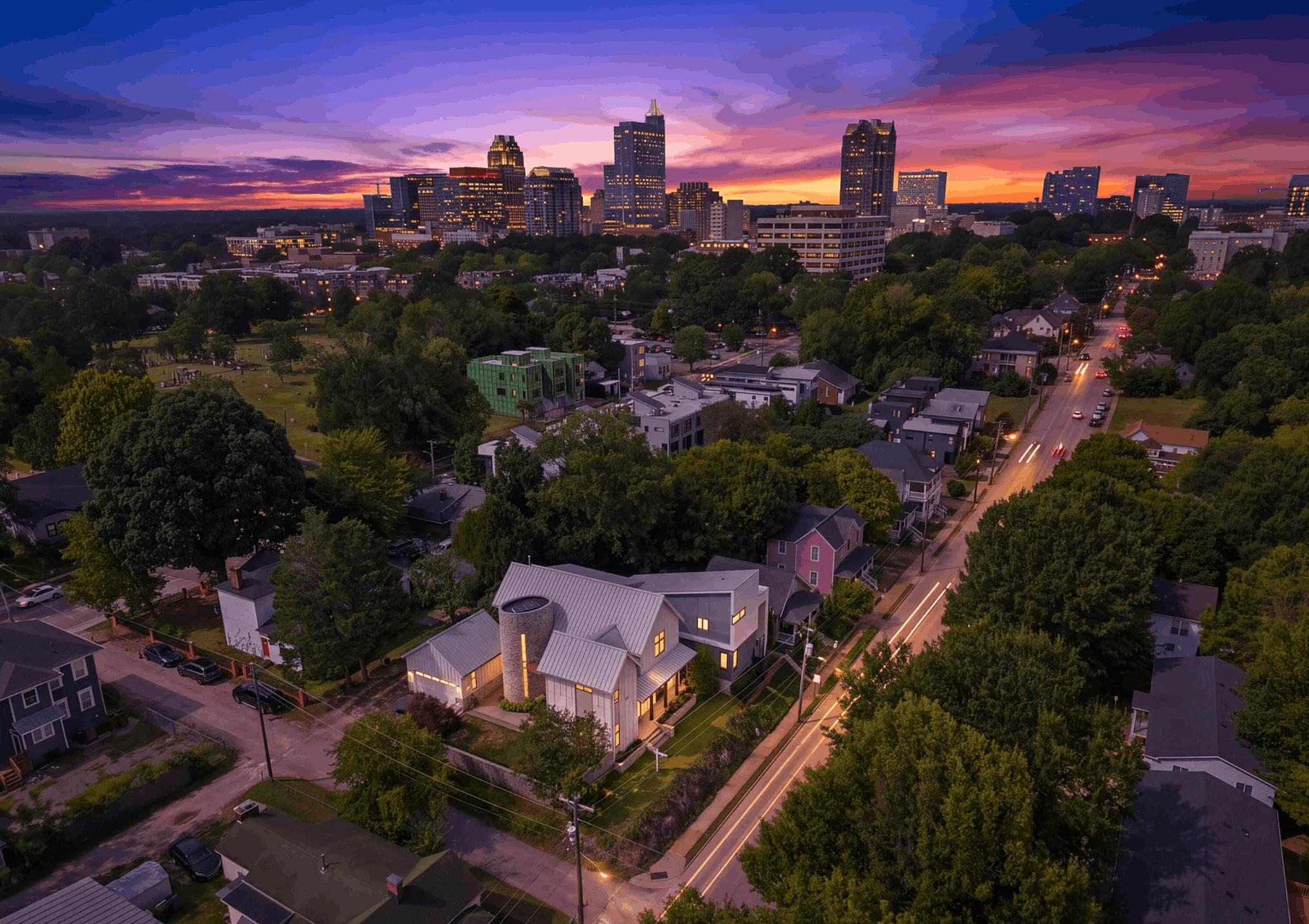
If you are deciding between Greenville, SC vs Raleigh, NC, both cities have a lot going for them, but they offer very different lifestyles.
Greenville is much smaller, with a walkable downtown, easy access to the Blue Ridge Mountains, and generally lower home values across the broader market. Raleigh is a much larger city and part of the Research Triangle, with a bigger employment base, more universities, and more big-city amenities.
Is it better to move to NC or SC?
North Carolina and South Carolina can both be great places to live, but Raleigh and Greenville offer very different versions of life in the Carolinas.
If you're comparing SC vs NC specifically through these two cities, Greenville may appeal to someone who wants a smaller city, mountain access, and a more compact downtown. Raleigh may appeal to someone who wants a larger job market, a bigger metro area, and access to the broader Research Triangle.
Greenville, SC may fit you if you want:
A smaller-city feel
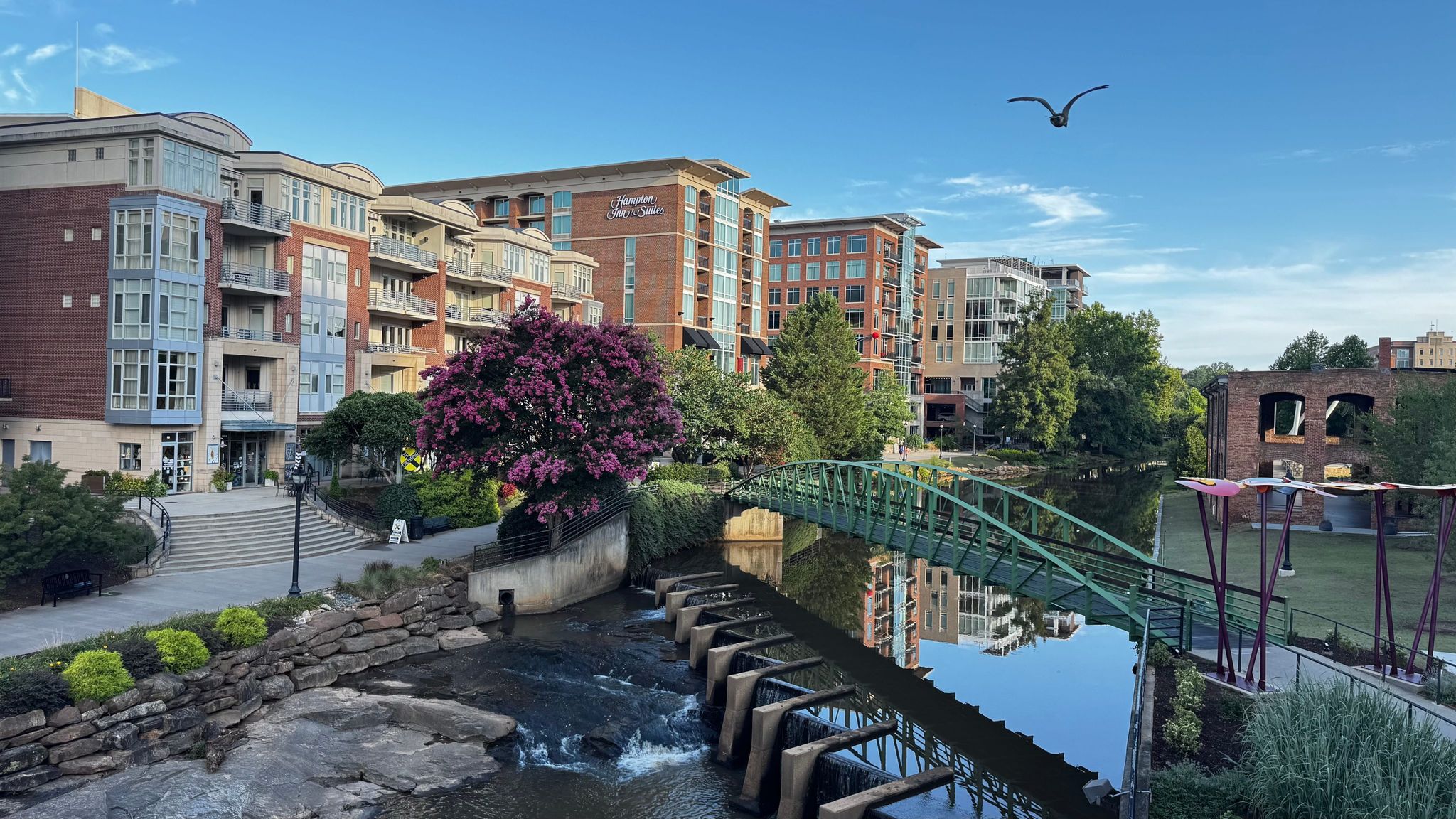
A compact and walkable downtown
Easy access to hiking and the Blue Ridge Mountains
The Prisma Health Swamp Rabbit Trail
More housing options at lower price points across the broader market
To be within driving distance of both Charlotte and Atlanta
Raleigh, NC may fit you if you want:
A much larger city
Access to the Research Triangle
A larger technology and research employment base
More universities and higher-education opportunities
A larger airport with more travel options
Easier access to other Triangle communities such as Durham and Chapel Hill
Is Greenville, SC bigger than Raleigh, NC?
No. The Census Bureau estimated 75,310 residents in Greenville and 506,306 in Raleigh in July 2025. Those figures count people within city limits, so they don’t capture everyone living in the surrounding communities.
That difference in size is easy to feel. Greenville’s downtown is more compact, while Raleigh’s attractions and neighborhoods spread across a larger city.
Cost of living comparison between Greenville SC and Raleigh NC
Greenville’s overall cost of living is estimated to be 4.2% lower than Raleigh’s. Housing is a big reason why. In August 2026, Zillow put the typical home value at about $331,600 in Greenville and $428,700 in Raleigh—a difference of roughly $97,000. For renters, average apartment rent was estimated to be 7.5% lower in Greenville. The comparison lists apartments at $1,283 per month in Greenville and $1,387 in Raleigh.
Property taxes differ, too. Countywide data shows a median annual bill of $1,512 in Greenville County, compared with $3,260 in Wake County. Your bill will depend on the home and any exemptions you qualify for.
Everyday expenses are mixed. Groceries cost an estimated 2.8% less in Greenville, while transportation costs 7.9% more. North Carolina’s 2026 individual income tax rate is 3.99%; South Carolina uses a graduated calculation with a 5.21% top rate. To see which city fits your budget, compare homes you would actually consider along with rent or mortgage payments, taxes, insurance, and your commute
How do the job markets compare in Greenville, SC and Raleigh, NC?
Raleigh has a larger job market, while Greenville has particular strengths in manufacturing, automotive, engineering, and healthcare.
Raleigh benefits from the Research Triangle and has strong employment in:
Technology and research
Healthcare
Higher education
Government
Life sciences
Professional services
NC State University is in Raleigh, while nearby Durham and Chapel Hill add Duke University and UNC-Chapel Hill to the regional economy.
Greenville has a strong manufacturing and automotive base, along with healthcare, life sciences, aerospace, engineering, and professional services.
The Greenville Area Development Corporation reports more than 120 automotive organizations and suppliers in the metro area, employing more than 30,000 people in auto-related organizations.
Major employers in the Greenville area include Michelin North America, Prisma Health, Lockheed Martin, and GE Vernova.
If you're moving for work, compare opportunities in your industry and where those jobs are located rather than simply looking at which city has the larger job market.
Average home prices in family-friendly areas of Greenville SC VS Raleigh, NC
Both metros have popular suburban communities, but home prices vary significantly by location.
Greenville-area buyers often consider Five Forks, Simpsonville, Greer, Mauldin, and Travelers Rest. Around Raleigh, buyers commonly explore Cary, Apex, and Wake Forest.
Recent Redfin data gives an idea of the differences:
| Area | Recent median sale price |
|---|---|
| Simpsonville, SC | ~$335,000 |
| Five Forks, SC | ~$495,000 |
| Raleigh, NC | ~$422,000 |
| Wake Forest, NC | ~$465,000 |
| Apex, NC | ~$615,000 |
| Cary, NC | ~$645,000 |
These are market snapshots rather than the price of a typical family home. Prices can vary significantly by neighborhood, home size, age, and condition.
When comparing communities, also look at:
Commute
Current school assignments
Home and lot size
HOA fees
Parks and recreation
Shopping and healthcare
New construction options
If schools matter to your move, always verify the current school assignment for a specific address directly with the school district.
Key Takeaways
Raleigh is much larger, with about 506,300 residents compared with roughly 75,300 in Greenville.
Typical home values are lower in Greenville is about $331,600 versus $428,700 in Raleigh as of August 2026.
Raleigh has a larger job market and strong technology, research, healthcare, government, and education sectors.
Greenville is especially strong in manufacturing, automotive, engineering, healthcare, and related industries.
Greenville offers easier mountain access, while Raleigh is closer to North Carolina's coast.
Your budget, career, commute, and preferred lifestyle matter more than choosing one state over the other.
Check out this article next